Common Structural Defects Found in Bristol Homes (and What They Mean)
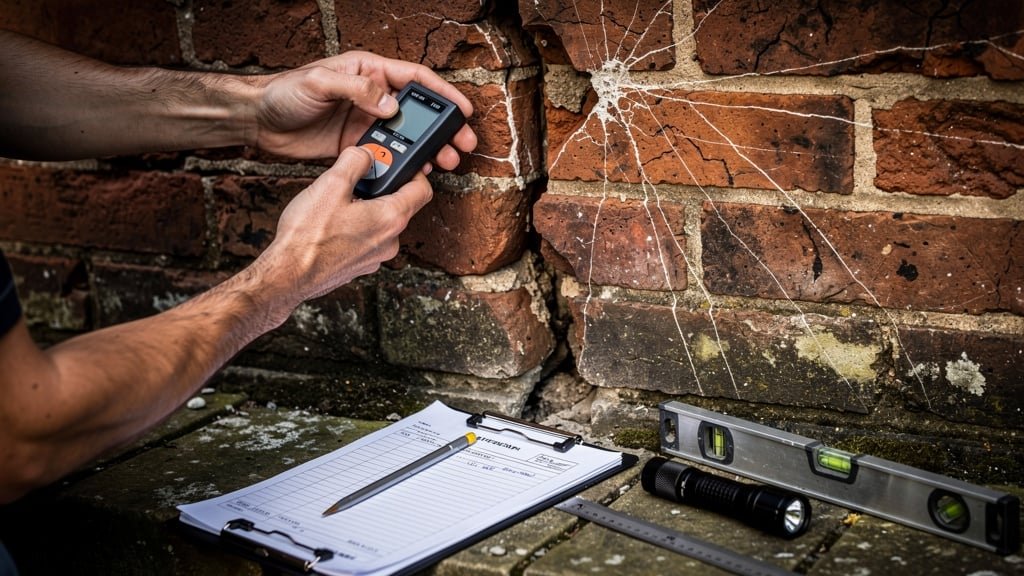
Bristol surveyors find structural defects in buildings every single week. That's not a criticism of Bristol's housing stock — it's simply the reality of a city with a rich architectural heritage. Many of our finest properties are well over a century old, and age brings wear, movement, and deterioration.
The question isn't usually whether a period Bristol property has defects — most of them do. The question is: which defects are serious, which are cosmetic, and which just need monitoring? That's exactly the kind of judgment our RICS building surveyors bring to every inspection.
In this guide, we'll walk through the most common structural issues we find in Bristol homes — from the manageable to the genuinely serious — so you know what to look for and what questions to ask.
1. Cracking — Not All Cracks Are Equal
Cracking is, by far, the most common finding on a structural survey in Bristol. But not all cracks are the same, and the difference between a £200 repair and a £20,000 one can be subtle to the untrained eye.
Hairline cracks in plaster
Fine, hairline cracks in internal plasterwork are almost universal in older properties. They're caused by thermal movement — the building expanding and contracting with temperature changes — and are generally cosmetic. They don't indicate structural problems and are straightforward to repair before decorating.
Diagonal cracks at door and window openings
Diagonal cracking running from the corners of doors and windows is a common sign that a lintel — the horizontal structural support above an opening — may be corroding, settling, or failing. In Victorian properties, these are often brick-arch lintels rather than steel or concrete, and they can deteriorate over time. This type of crack warrants investigation to determine whether the lintel needs replacement.
Wide, stepped, or tapered cracks in external masonry
Wide cracks (more than 5mm), or cracks that taper as they run across the wall (wider at one end than the other), are potentially signs of differential settlement or subsidence. Stepped cracking that follows the mortar joints of brickwork is a classic indicator of uneven ground movement beneath the foundations. These require thorough investigation by an experienced structural surveyor.
2. Damp — A Very Common Issue in Period Bristol Properties
Bristol's climate — wet and relatively mild — creates ideal conditions for damp problems. And many Victorian properties weren't built with modern damp-proofing. Damp comes in several distinct forms, and diagnosing which type you have is critical — both for understanding the severity and for identifying the correct remedy.
Rising damp occurs when groundwater is drawn up through masonry by capillary action. It tends to affect the lower sections of walls (usually below 1 metre) and often shows as a tide mark on internal plasterwork. True rising damp is relatively rare, but frequently misdiagnosed.
Penetrating damp is caused by water entering the building through a defect in the external fabric — a damaged roof, cracked pointing, failed guttering, or poor flashings. This is far more common than rising damp and usually has a visible external cause that can be identified and fixed.
Condensation is the most common form of damp in modern and well-insulated properties. It's caused by moisture-laden air meeting cold surfaces. It's often misidentified as rising or penetrating damp, and the treatment is entirely different.
"We once surveyed a Clifton property where the vendor had paid £4,000 for a damp-proofing company to inject the walls. Our survey found no evidence of rising damp. The issue was penetrating damp from a defective gutter. The injection was completely unnecessary." — James Hartley, Bristol Surveyors
3. Roof Problems — Out of Sight, Out of Mind (Until It's Too Late)
Roofs are often the most expensive element of a property to repair, and they're also the part most buyers give the least thought to. Our Bristol building surveyors inspect roofs on every survey — but it's worth knowing what we're looking for.
In a Victorian or Edwardian Bristol terrace, common roof issues include:
- Slipped, cracked, or missing slates or tiles — often caused by nail sickness (the corroding of the original fixing nails)
- Defective or missing flashings at abutments, valleys, and around chimney stacks
- Deteriorated or blocked guttering and downpipes, leading to water penetration
- Structural defects to the roof timbers — sagging rafters, rotten purlins, or defective ridge
- Chimney stacks that have been blocked or capped without proper ventilation provision
A full re-roofing on a Victorian terrace can cost £8,000–£20,000 depending on size and access. Catching problems early — ideally on survey — is the difference between a targeted repair and a full replacement.
4. Foundation and Settlement Issues
Bristol's geology is varied. In some parts of the city, particularly in areas like Cliftonwood and near the river, properties sit on complex or soft ground. Foundation problems are less common than some of the issues above, but they're among the most potentially costly to address.
Differential settlement — where different parts of a building move by different amounts — is the most common foundation-related problem. It's often caused by tree roots, which draw moisture from clay soils and cause seasonal shrinkage. In Bristol, it's often Lime trees and Sycamores adjacent to older properties that are the culprits.
Our surveyors assess the severity of any movement they find and, where necessary, recommend specialist investigation. For many cases, the movement is historic — the property has settled and stabilised — and no remediation is needed. For active movement, specialist structural engineers need to be involved.
5. Timber Defects — Rot, Beetle, and Decay
Victorian properties are timber-frame buildings, essentially. Floor joists, roof timbers, window frames, and door frames are all wood. And wood, when exposed to moisture, deteriorates. Our surveys routinely find evidence of:
- Wet rot — timber that has been persistently damp and has softened and decayed. Caused by moisture ingress and fixed by removing the source of damp and replacing affected timber.
- Dry rot — a more aggressive fungal decay that can spread through masonry even without ongoing moisture. Requires specialist treatment and can be expensive to eradicate.
- Woodworm (furniture beetle) — evidence of past or active insect infestation, seen as small flight holes in timber. Often historic and requiring no treatment, but active infestations need addressing.
Buying a Victorian Property in Bristol?
Our Level 3 Building Survey is specifically designed for older properties where these structural issues are most likely to be found. Our Bristol surveyors will give you a comprehensive assessment — and peace of mind.
Get a Free Quote6. Services — Electrical, Plumbing, and Heating
A full electrical or plumbing inspection is beyond the scope of a building survey (specialists are needed for these), but our surveyors will always comment on what they observe and flag any visible concerns. In older Bristol properties, common issues include:
- Old wiring (rubber-insulated or aluminium cabling) that may not meet modern safety standards
- Lead pipework in properties built before the 1970s
- Old boilers at or beyond the end of their serviceable life
- Lack of earth bonding, RCD protection, or adequate consumer units
We always recommend a full Electrical Installation Condition Report (EICR) and a gas safety check alongside your building survey for any property more than 20 years old.
What Should You Do If a Survey Finds Structural Issues?
First: don't panic. Finding defects on a survey is normal. The vast majority of properties we survey have some findings — and most of them are manageable.
The practical steps are:
- Understand the nature and severity of the defect (your surveyor will explain this clearly)
- Obtain quotes from appropriate specialists for any significant repairs
- Use the survey findings to renegotiate the purchase price if warranted
- Factor repair costs into your purchasing decision and budgeting
Our surveyors are always available for a call after your report is delivered to walk you through the findings and help you decide what to do next. That's part of our service — not an optional extra.
Frequently Asked Questions
Not necessarily. Many structural defects — even significant ones — are entirely remediated. The key questions are: how much will it cost to fix, is the cause understood, and is the seller willing to adjust the price? Your surveyor should give you enough information to make an informed decision. Pull out only if the defects are so severe that the risk or cost is disproportionate to the property's value.
The simplest method is to use a crack gauge — a plastic device that sticks across the crack and shows movement over time. Alternatively, you can mark the ends of a crack with pencil and date it, checking after several weeks. A structural engineer can install more formal movement monitors for ongoing assessment. Your surveyor's report will advise on appropriate monitoring.
Our Level 3 Building Survey — which includes a full structural assessment — typically ranges from £600–£1,200+ for residential properties in Bristol, depending on size and complexity. A targeted structural report for a specific concern is usually less. Contact us for a free, tailored quote.

James Hartley
Director, Bristol Surveyors
James has been surveying Bristol properties for over 20 years and specialises in structural analysis on period buildings. He leads the team's most complex structural investigation cases.