What to Expect From Your RICS HomeBuyer Report — A Complete Guide
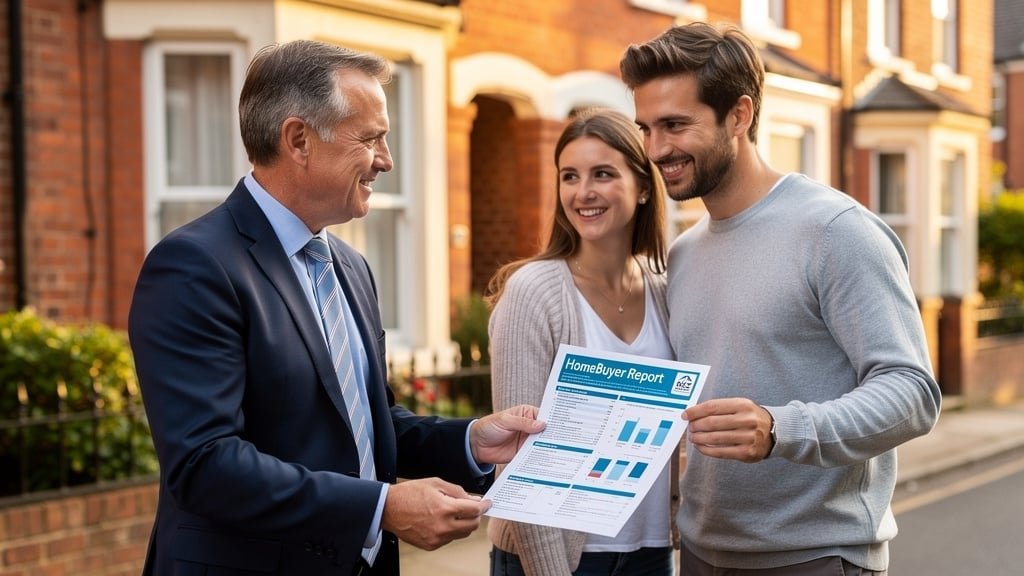
You've found a property you love in Bristol, your offer has been accepted, and you've decided — wisely — to instruct a survey before you exchange contracts. You've booked a RICS Level 2 HomeBuyer Report with Bristol Surveyors. Now what?
Many buyers reach this point feeling slightly unsure about what the process actually involves. What will the surveyor do on the day? What will the report look like? What do the different ratings mean? And — most importantly — what should you do if the report flags up problems?
In this complete guide, our Bristol surveyors walk you through every stage of the HomeBuyer Report process, so you know exactly what to expect and how to make the most of your survey.
"I'd never bought a property before and had no idea what a survey actually involved. Sarah from Bristol Surveyors explained everything clearly beforehand, then called me the same afternoon the inspection was done to talk through the key findings. The written report arrived two days later and was so much clearer than I expected." — Priya K., first-time buyer, Cotham, Bristol
What Is a RICS Level 2 HomeBuyer Report?
A RICS Level 2 HomeBuyer Report — also known as an RICS Home Survey Level 2 — is the most widely used type of property survey in England and Wales. It is a standardised, visual inspection of a property carried out by a RICS-qualified surveyor, designed to give you a clear and reliable overview of its condition before you commit to buying.
The report covers all the main accessible and visible elements of the property — roof, chimneys, walls, windows, floors, ceilings, bathrooms, kitchens, and services — and rates each one using a traffic light colour-coding system. It is designed to be read and understood by non-specialists, not just surveyors or builders.
A Level 2 HomeBuyer Report is the right choice for most standard, reasonably modern properties in good or average condition. For older properties — particularly Victorian and Edwardian homes, which make up a large proportion of Bristol's housing stock — a Level 3 Building Survey is usually more appropriate. If you are not sure which type is right for your property, read our guide to choosing the right survey level.
The HomeBuyer Report Process: Step by Step
Booking Your Survey
Contact Bristol Surveyors with the property address, your solicitor's details, and the vendor's estate agent contact. We will confirm a survey date, provide a fee quote, and send you a terms of engagement letter to sign. We usually aim to carry out the inspection within 5–7 working days of booking.
Access Arrangements
We arrange access to the property directly with the estate agent or vendor. You do not need to be present during the inspection — though you are welcome to attend. If you do attend, we ask that you arrive towards the end of the inspection so the surveyor can work without interruption, then discuss their initial findings with you on site.
The Inspection Day
A Level 2 HomeBuyer Report inspection typically takes 2–3 hours on site for a standard property, longer for larger homes. The surveyor carries out a thorough visual inspection of all accessible areas — inside and outside the property — using professional equipment including a damp meter, torch, and binoculars.
Same-Day Call from Your Surveyor
After completing the inspection, your surveyor will call you to give a verbal summary of the key findings. This call is one of the most valuable parts of the service — it means you get an expert overview of the property's condition within hours of the inspection, not days.
Receiving Your Written Report
The full written report is delivered by email, typically within 3–5 working days of the inspection. It is a detailed, professionally structured document accompanied by photographs. It covers every element of the property and includes clear recommendations for action.
Follow-Up Conversation
Once you have read the report, you are welcome to call your surveyor to discuss any sections you'd like clarified. There is no charge for this. We want you to fully understand the report and feel confident about your next steps.
Understanding the Traffic Light Rating System
The most distinctive feature of an RICS Level 2 HomeBuyer Report is its condition rating system. Every element of the property is rated using one of three colour-coded condition ratings:
| Rating | Meaning | Action Required? |
|---|---|---|
| Condition Rating 1 — Green | No repair is currently needed. The property element is in good condition. | No immediate action needed |
| Condition Rating 2 — Amber | Defects that need attention but are not considered serious or urgent. | Monitor and repair in due course |
| Condition Rating 3 — Red | Defects that are serious or require urgent attention. | Urgent action and/or further investigation needed |
It is important to understand that Condition Rating 2 (amber) is normal for almost any property. Even a well-maintained home in excellent condition will typically have several amber ratings — minor items like a small area of repointing, a sealant joint needing renewal, or gutters that need clearing. Amber ratings do not mean you should be alarmed or that the property is in poor condition.
Condition Rating 3 (red) items are the ones that require closer attention. They may indicate serious defects, safety issues, or problems that need immediate repair. A red rating is a signal to investigate further — to get specialist quotes, consider a price renegotiation, or in some cases, to reconsider the purchase.
What the Survey Inspects — Section by Section
A RICS Level 2 HomeBuyer Report is divided into clearly structured sections, each covering a different element of the property. Here is what your surveyor will examine:
E: Outside the Property
The external inspection covers chimney stacks, roof coverings, rainwater pipes and gutters, external walls, windows and doors, conservatories and porches, and any other external joinery. The surveyor assesses the condition and weathertightness of all external elements and notes any visible defects.
F: Inside the Property
The internal inspection covers roof structure (from the loft hatch), ceilings, internal walls, floors, fireplaces and chimneys (from inside), built-in fittings, and internal joinery including doors and staircases. The surveyor uses a damp meter to check for elevated moisture readings throughout the property.
G: Services
The survey includes a visual assessment of the main services — gas, electricity, heating, hot and cold water, and drainage. This is not a full test of services — it is a visual inspection. If any concerns are noted, the surveyor will recommend a specialist test by a qualified engineer.
H: Grounds
The grounds section covers garages, outbuildings, permanent structures in the garden, boundary walls and fences, shared areas, and any retaining walls. The driveway, paths, and external drainage are also assessed.
I: Issues for Your Legal Advisers
This section flags matters that should be raised with your solicitor — for example, boundary disputes, rights of way, evidence of extensions that may have required planning consent, and any other legal considerations visible during the inspection.
What a Level 2 Survey Does NOT Cover
Understanding the limitations of a HomeBuyer Report is just as important as knowing what it does cover. A Level 2 survey is a visual inspection of accessible areas — it does not include:
- Lifting floorboards or removing fitted carpets
- Moving furniture, stored items, or personal belongings
- Opening up walls, ceilings, or other structural elements
- Testing electrical installations or gas appliances (a visual observation only)
- Drain testing or CCTV drain surveys
- Specialist investigations for subsidence, asbestos, Japanese knotweed, or contaminated land
If any of these specialist investigations are needed, your surveyor will recommend them explicitly in the report. It is always better to carry out recommended investigations before exchange of contracts rather than after.
Book Your Bristol HomeBuyer Report Today
Our RICS-qualified surveyors inspect properties across Bristol and the South West. Get a free, no-obligation quote in minutes.
Get a Free QuoteWhat to Do After Receiving Your Report
Receiving your HomeBuyer Report is not the end of the process — it is the beginning of an important decision-making phase. Here is how to approach it:
Read it carefully — all of it
Don't just skip to the summary or the red ratings. Read the full report. The narrative sections often contain important context and nuance that the condition ratings alone don't convey.
Make a list of Condition Rating 3 items
For every red-rated item, note what it is, what the surveyor says about it, and whether they have recommended further investigation or specialist quotes. These are your priorities for follow-up action.
Get specialist quotes if recommended
If your surveyor has recommended a specialist survey — for example a structural engineer's report, a drain CCTV survey, or an electrical inspection — arrange these before exchange. Specialist quotes for recommended repairs can also be used to support a price renegotiation.
Consider renegotiating
If the survey reveals significant defects that were not visible during your viewings, you may have grounds to renegotiate the purchase price or request that the vendor carry out repairs before completion. Our article on renegotiating after a survey explains how to approach this conversation effectively.
Talk to your surveyor
Never hesitate to call your surveyor if you have questions about the report. That is what we are here for. A five-minute conversation can often resolve any confusion and help you make a confident, well-informed decision.
How Much Does a HomeBuyer Report Cost in Bristol?
The cost of a RICS Level 2 HomeBuyer Report in Bristol typically ranges from £400 to £700 depending on the size, type, and value of the property. Larger properties or those in more complex situations may cost more. At Bristol Surveyors, we provide transparent, upfront pricing with no hidden charges.
To put this in context: the average Bristol house price is over £330,000. The cost of a survey is less than 0.2% of that — yet it could save you many times its value by revealing problems you didn't know about, or by giving you the evidence you need to negotiate a meaningful price reduction.
Frequently Asked Questions
No — you do not need to be there. The surveyor will arrange access with the estate agent. However, you are welcome to attend if you wish, ideally towards the end of the inspection. Being present allows you to ask questions and get an immediate verbal summary of the surveyor's findings.
We aim to deliver written HomeBuyer Reports within 3–5 working days of the on-site inspection. If your purchase is on a tight timeline, let us know at the time of booking and we will do our best to prioritise your report.
In most cases, no. Condition Rating 2 (amber) simply means there are defects that need attention at some point — they are not urgent or serious. Almost every property will have several amber ratings. Focus your concern on any Condition Rating 3 (red) items, and discuss these with your surveyor if you need guidance on what they mean in practice.
Yes, absolutely. If the survey reveals defects that were not apparent when you made your offer, you can use the report as evidence to negotiate a price reduction or to request that the vendor carries out repairs before completion. See our guide to renegotiating after a survey for practical advice.
A mortgage valuation is carried out by your lender's surveyor and is designed to protect the lender — not you. It confirms only that the property is adequate security for the loan. It provides very little detail about the property's condition. A HomeBuyer Report is your survey — carried out in your interests, providing a thorough assessment of condition and advice on what needs attention.

Sarah Chen
Surveyor — Residential, Bristol Surveyors
Sarah specialises in residential property surveys and RICS registered valuations across Bristol and Bath. She has carried out hundreds of HomeBuyer Reports on Bristol properties and is known for her clear, client-focused communication.