The Complete Guide to Maintaining a Victorian House in Bristol
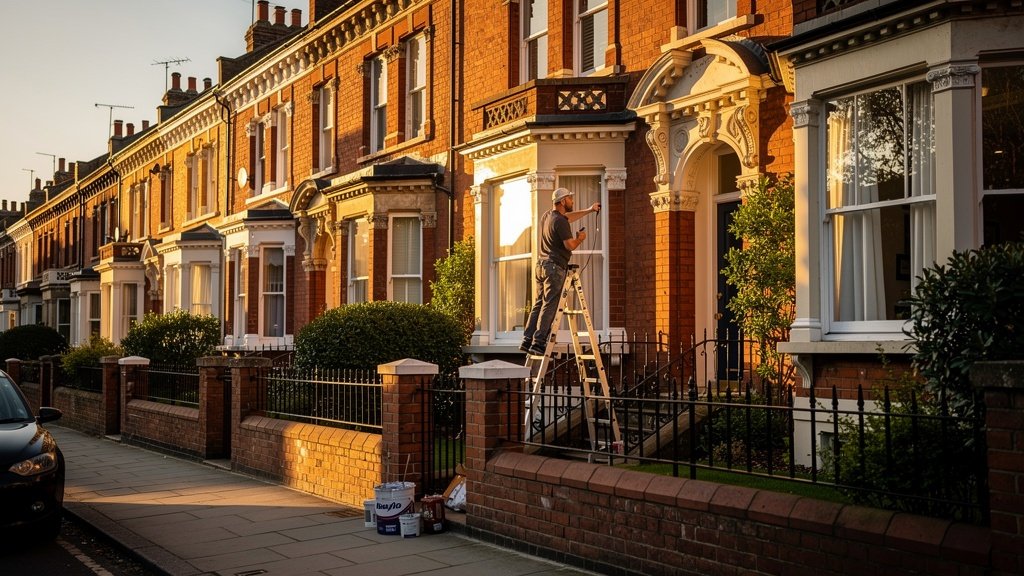
Bristol is home to one of the finest collections of Victorian architecture in England. From the sweeping terraces of Clifton and Redland to the tightly packed rows of Bedminster and Totterdown, Bristol Surveyors estimates that well over a third of the city's housing stock dates from the Victorian era — roughly 1837 to 1901.
These homes are beautiful, characterful, and often surprisingly well-built. But they also have particular vulnerabilities that modern houses simply don't share. After 130 to 160 years of use, the original materials are under pressure — and if you don't maintain them correctly, small problems can turn into very expensive ones very quickly.
As surveyors who have inspected thousands of Victorian properties across Bristol, we've seen almost every maintenance problem there is. In this guide, we share what you need to know to keep your Victorian home in excellent condition — and help you avoid the costly surprises that catch so many owners off guard.
"We bought our Victorian terrace in Southville five years ago. The survey flagged the roof and chimney stacks as priority items. We sorted them first, and we're so glad we did — our neighbours on the same street just spent £22,000 on emergency roof repairs they hadn't budgeted for." — Anna & Tom R., Southville, Bristol
Why Victorian Houses Need Different Maintenance
Victorian houses were built to different standards and with different materials than modern homes. Understanding these differences is the first step to maintaining one properly.
Solid brick walls. Most Bristol Victorian terraces have solid brick walls — typically 9 inches thick — rather than the cavity walls used in modern construction. This means there's no insulating air gap and no cavity to drain water away. The wall breathes — moisture moves through it, evaporates, and the wall dries out. This works well when the system is intact. But it fails badly when modern impermeable materials like cement render, gypsum plaster, or non-breathable paint are applied. These trap moisture inside the wall, leading to damp, decay, and structural damage.
Lime mortar. Victorian brickwork was laid with lime mortar, which is softer and more flexible than modern cement mortars. This is intentional — the mortar is designed to be the "sacrificial" element that absorbs movement and moisture, protecting the bricks themselves. When old lime mortar is repointed with hard cement mortar, the cement can cause the bricks to crack and spall as moisture and thermal movement occur. Always use lime mortar for repointing Victorian brickwork.
Timber floors and joists. Ground floors in Victorian properties are typically suspended timber — floorboards over joists above a void beneath. This system requires ventilation to prevent the timber from rotting. Blocked or insufficient air bricks are one of the most common causes of serious structural damage we see in Bristol Victorian homes.
Lead and cast iron. Victorian roofs and drainage systems used lead and cast iron extensively. Both materials are durable if maintained but vulnerable to specific failure modes — lead fatigue cracking, cast iron joint failure, and corrosion.
Roof and Chimneys: Your First Priority
The roof is the most critical element of any Victorian home. If it fails, water gets into every other element — walls, floors, timbers, ceilings — causing cascading damage that is expensive and disruptive to repair. Yet roofs are often neglected because they're out of sight.
What to Check Annually
Once a year — ideally in autumn before the worst weather arrives — you should visually inspect your roof from the ground using binoculars, or arrange for a roofer to carry out an inspection from roof level. Look for:
- Missing, slipped, or cracked slates or clay tiles
- Damaged or open mortar on ridge tiles and hip tiles
- Lead flashing that has lifted, cracked, or pulled away from chimney stacks and abutments
- Blocked or overflowing gutters — especially relevant on Bristol's tree-lined streets in autumn
- Vegetation growing in gutters or at the base of chimney stacks
- Any visible water staining on ceilings inside the property
Chimneys: A High-Risk Element
Bristol Victorian terraces almost always have chimney stacks — sometimes two or three per property. Chimneys are exposed on all sides to weather, and the mortar at their tops deteriorates faster than anywhere else on the building. Problems include:
- Failed chimney pot haunching — the mortar bedding around the base of chimney pots. When this fails, water gets into the chimney stack and down into the property.
- Cracked or leaning chimney stacks — the result of movement, mortar failure, or frost damage. A leaning stack is a safety issue as well as a water ingress problem.
- Open flues — unused chimneys that are not capped or ventilated correctly can cause damp condensation problems and act as a route for birds and other wildlife to enter the building.
Annual Roof & Chimney Checklist
- Visual inspection of all roof slopes from ground level
- Check gutters and downpipes — clear leaves and debris
- Inspect chimney stack mortar and pot haunching
- Check lead flashings at all junctions
- Look for damp staining on top-floor ceilings and in loft space
- Check that unused flues are capped but ventilated
Damp and Ventilation: The Biggest Misconception
Damp is the single issue we are asked about most often in relation to Victorian Bristol properties — and it is also the most widely misunderstood. Many homeowners spend thousands of pounds on damp-proofing treatments that they don't need, while the actual cause goes unaddressed.
The vast majority of damp problems in Bristol Victorian homes fall into one of four categories:
- Penetrating damp from failed roof, flashings, gutters, or external render
- Rising damp — genuine rising damp does exist, but it is far less common than damp-proofing companies would have you believe. True rising damp typically only affects ground floor walls to a height of around 1 metre.
- Condensation — by far the most common cause of damp in Bristol homes, particularly in bathrooms, kitchens, and bedrooms with poor ventilation
- Plumbing leaks — from concealed pipes, radiator connections, or bathroom fittings
Before commissioning any damp-proofing treatment, always get an independent survey from a RICS surveyor rather than relying on a diagnosis from a company that sells damp-proofing products. The remedies for different types of damp are completely different — and the wrong treatment can make matters worse.
For a detailed guide to damp in Bristol homes, read our dedicated article: Damp in Bristol Homes: How to Spot It, What It Means, and What to Do.
External Walls and Pointing
The external walls of your Victorian home are working hard every day — keeping out the rain, supporting the structure, and regulating moisture. They need regular attention to do this job effectively.
Repointing
Lime mortar joints in Victorian brickwork typically need repointing every 50 to 80 years, though the rate of deterioration varies enormously depending on exposure, aspect, and the quality of the original work. Signs that repointing is needed include:
- Mortar joints that are visibly recessed — more than about 10mm below the face of the brick
- Crumbly or powdery mortar that can be removed with a finger
- Cracks running along mortar joints
- Damp patches on internal walls that correspond to exposed elevations
Always specify NHL (Natural Hydraulic Lime) mortar for repointing Victorian brickwork. Never use ordinary Portland cement (OPC) mortar, which is too hard and will damage the bricks. A competent local builder who understands traditional construction will be familiar with this requirement.
External Render
Some Bristol Victorian properties — particularly in exposed locations or where the brickwork has been damaged over the years — have external render applied. If this render is cement-based, it can trap moisture behind it and cause serious problems. Ideally, cement render should be replaced with a breathable lime render. However, this is a significant undertaking, and you should take professional advice before starting.
Concerned About Your Victorian Bristol Home?
Our RICS surveyors can identify maintenance issues early and save you thousands in repair costs. Book a building survey today.
Book a Building SurveyWindows and Doors
Original Victorian sash windows and panelled doors are character-defining features of Bristol's period homes — and they are worth preserving if at all possible. They are also much more energy-efficient and durable than many people assume, provided they are properly maintained.
Sash Window Maintenance
Original timber sash windows can last indefinitely if the timber is kept painted and the joints are maintained. Common problems include:
- Paint failure — allowing water to penetrate the timber. Once water gets in, timber rots quickly. Repaint every 5 to 7 years, paying close attention to the bottom rail which is most exposed to rain.
- Failed putty — the glazing putty that holds the glass in the frame. Cracked or missing putty lets water into the frame. Repoint with linseed oil putty (not modern acrylic).
- Broken sash cords — relatively easy and inexpensive to replace. A specialist joiner can restore draught-proofing and smooth operation at the same time.
- Rotted timber — particularly in the bottom rail. This can often be repaired with a timber repair system rather than full replacement, which is both cheaper and better for the character of the property.
Secondary Glazing
If you want to improve the thermal and acoustic performance of your Victorian home without replacing original windows, secondary glazing is the recommended solution. It preserves the original windows (important for listed properties and conservation areas), improves energy efficiency significantly, and dramatically reduces noise — a real benefit on busy Bristol streets.
Ground Floors and Sub-floor Ventilation
Suspended timber ground floors require a ventilated void beneath them to prevent the joists and floorboards from rotting. The ventilation is provided by air bricks — terracotta or cast iron grilles set into the external walls at ground level. Blocked air bricks are one of the most common problems we find in Bristol Victorian homes, and the consequences can be severe.
Check all air bricks around the base of your property at least annually. They should be clear of soil, plants, and debris. A typical Victorian terrace needs a minimum of one air brick per 1.5 metres of external wall, though more is better. If you have recently had raised flower beds, paving, or soil built up against your walls, check urgently that air bricks have not been buried.
Signs of sub-floor ventilation problems include:
- Springy or soft areas in timber floors
- A musty smell in ground floor rooms
- Visible mould growth on skirting boards at floor level
- Cold draughts coming up through floorboards (indicates air IS getting in, but perhaps too much — a sign of gaps in the floor structure)
Drainage and External Works
Victorian drainage systems used cast iron above ground and glazed clay pipes below ground. Both are durable but can fail with age — particularly at joints, where tree roots can intrude, and at bends and junctions where blockages accumulate.
Annual checks to carry out:
- Check all external gutters and downpipes for blockages, leaks at joints, and signs of overflow staining on walls
- Check rainwater gullies at ground level — clear leaves and debris, ensure gratings are intact
- Check that garden paths and paving slope away from the building, not towards it
- If you have had recurring drainage problems, consider a CCTV drain survey to identify root intrusion or pipe failure
Energy Improvements: What Works and What Doesn't
Victorian homes can be made considerably more energy-efficient without harming their character or structure — but it's important to use the right approach. Some modern energy improvement measures are inappropriate for solid brick Victorian buildings and can cause serious damage.
What works well:
- Loft insulation — highly effective and reversible. Aim for 270mm of mineral wool insulation in the loft.
- Draught-proofing — cheap, highly effective, and entirely reversible. Focus on sash windows, floorboards, letter boxes, and keyholes.
- Secondary glazing — excellent for thermal and acoustic improvement without replacing original windows.
- Flue balloons — for unused open fireplaces. Cheap and very effective at stopping heat loss up chimneys.
- Efficient heating controls — thermostatic radiator valves, programmable thermostats, and modern boilers.
What to approach with caution:
- Internal wall insulation — can work but must be done carefully with breathable materials. Impermeable insulation boards on solid walls cause moisture problems. Take specialist advice.
- External wall insulation — generally not appropriate for Victorian brick properties and usually not permitted in conservation areas.
- Solid floor insulation — replacing original Victorian tiled or timber floors with insulated concrete can affect the breathability of the ground floor and potentially cause damp problems.
Frequently Asked Questions
We recommend a full building survey every 5 to 10 years for Victorian properties, or immediately if you notice new cracks, damp patches, or changes to floors or ceilings. Regular surveys allow you to catch and address problems early — before they become expensive emergencies.
In most cases, no. Original timber sash windows can be draught-proofed and fitted with secondary glazing to achieve excellent thermal and acoustic performance — often approaching that of double glazing — while preserving the character of your home. Replacing original windows with uPVC is not permitted in listed buildings and conservation areas, and it reduces the value of most period properties.
Start by checking the obvious causes: blocked gutters, air bricks, and external drainage. Then check for condensation by looking for mould growth on cold external walls and in bathrooms. Before spending money on damp-proofing treatments, commission an independent survey from a RICS surveyor. Many damp problems in Victorian homes are caused by condensation or penetrating damp — both of which have different remedies to rising damp.
Many of Bristol's Victorian neighbourhoods — including Clifton, Redland, Cotham, Montpelier, and parts of Bedminster — are within conservation areas. This affects what changes you can make to the external appearance of your home without planning permission. Check with Bristol City Council's planning portal, or ask our surveyors for guidance.
The most costly repairs we encounter in Bristol Victorian homes are: structural underpinning for subsidence (£20,000–£60,000+), complete roof replacement (£8,000–£25,000+), replacing failed lead flashings and chimney work (£2,000–£8,000), and remediation of significant timber decay in floors and roof structures (£5,000–£30,000+). Regular maintenance prevents most of these reaching crisis point.

James Hartley
Director, Bristol Surveyors
James is the founder and director of Bristol Surveyors. A Bristol native with over 20 years of surveying experience, he specialises in structural surveys on period properties across Bristol and the South West. He has personally surveyed over 1,500 Victorian properties in the city.